
Antibody-drug conjugates have changed the way breast cancer is classified according to HER2 expression. A review published in Oncology Reports examines why these treatments stop working in tumours with low or ultralow HER2 expression and which strategies are being explored to recover their effectiveness.
What was known
For years breast cancer was split into two groups by HER2 status: positive or negative. Tumours with low and ultralow expression fell within the negative group and received no treatments directed against that protein. The arrival of new antibody-drug conjugates, represented by trastuzumab deruxtecan, created a therapeutic opportunity for these patients and moved HER2 assessment away from a binary model towards continuous stratification.
What this work adds
This is a review summarising the biological basis, resistance mechanisms and potential counterstrategies of antibody-drug conjugate therapy in HER2-low and HER2-ultralow breast cancer. It is not a clinical trial and provides no new patient data: it orders the available evidence and proposes a framework to interpret it.
Main findings
The authors stress that HER2-low and HER2-ultralow are not stable, independent molecular subtypes but treatment-relevant states marked by low target density, spatial heterogeneity, temporal variation and diagnostic uncertainty. Clinical studies show that HER2-targeted conjugates improve outcomes in some patients with low expression, yet several factors limit durable benefit: primary and acquired resistance, a limited ability to predict who will respond, and poorly defined combination or sequencing strategies after progression.
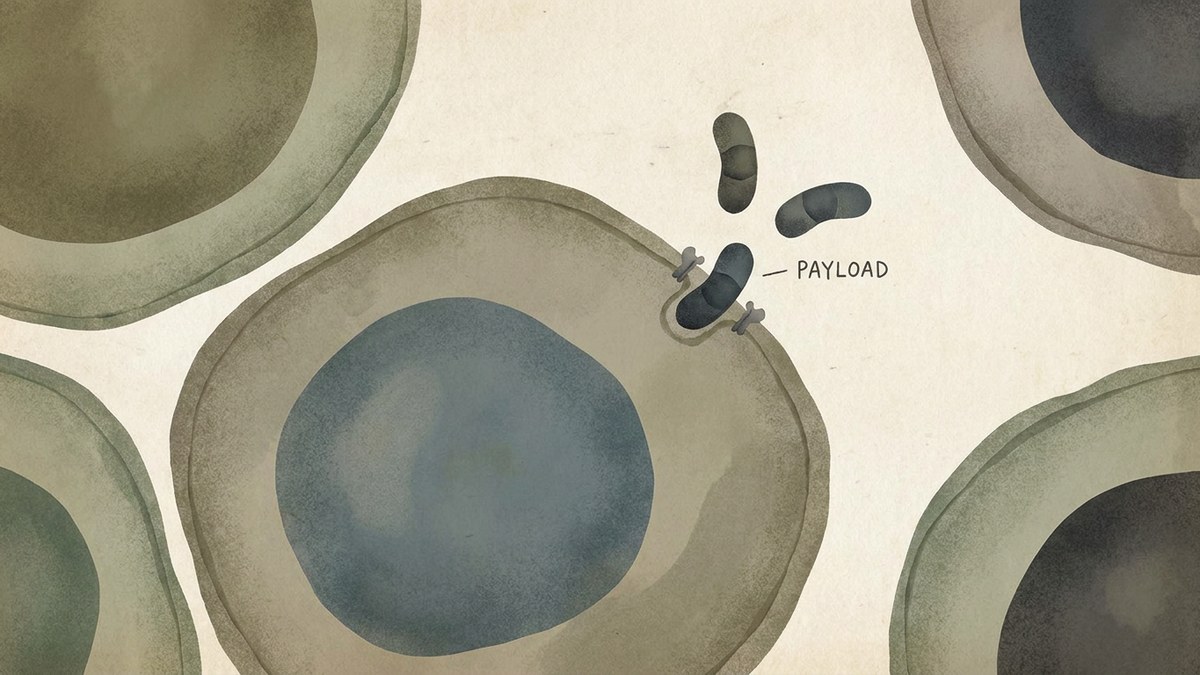
Among the mechanisms involved are decreased or lost HER2 expression, spatial heterogeneity of the target, impaired drug delivery to the cell and impaired intracellular processing, reduced sensitivity to the payload, enhanced DNA damage repair, tumour microenvironment barriers and biases in pathological interpretation and sampling.
What it means
Therapeutic optimisation should move beyond the choice of a single agent towards mechanism-guided combinations, rational sequencing of antibodies with different targets or payloads, and the design of next-generation conjugates. Patient selection also cannot rest on immunohistochemistry alone: the authors propose integrating dynamic reassessment, digital pathology, liquid biopsy, multi-omics biomarkers and prior treatment exposure into multidimensional predictive models.
A view from the breast unit
The review reinforces an idea that already shapes daily practice: HER2 status is a dynamic piece of information, not a definitive label. In a breast unit this means safeguarding receptor testing quality in every sample, considering reassessment at progression and working closely between pathology and the tumour board.
Reference: Yu X, Ren M, Yao L. Advances in resistance mechanisms and counterstrategies for antibody-drug conjugates in HER2-low and HER2-ultralow breast cancer (Review). Oncology Reports, 2026. doi:10.3892/or.2026.9214