

A simulation model estimates that incorporating modern anti-HER2 therapies into Brazil's public system would cut deaths from stage II-III HER2-positive breast cancer by up to a third....
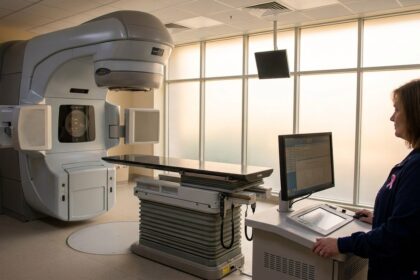
A prospective cohort of 718 patients with early breast cancer supports an ultra-hypofractionated five-fraction course of post-surgical radiotherapy, with low toxicity and excellent short-term tumour c...

In HER2-positive patients with oestrogen-receptor expression of 50% or more, pathological complete response to neoadjuvant therapy is markedly lower and resistance to antibody-drug conjugates becomes ...

A review examines initiatives to de-escalate neoadjuvant treatment in HER2-positive breast cancer, aiming to reduce overtreatment without losing efficacy, with support from biomarkers and imaging....

A study of 943 patients treated with comprehensive nodal irradiation finds that living in food-insecure areas is associated with markedly lower overall survival, despite similar cancer treatments....

A meta-analysis of 15 randomized trials links this deep-tissue massage technique to reduced arm swelling, though confidence in the evidence is limited by study bias....

A pilot trial of 42 overweight survivors finds a more favorable weight-change pattern when mindfulness is added to an online diet and exercise program....

A cost-effectiveness analysis from the US payer perspective concludes that the combination does not meet the willingness-to-pay threshold without a price cut of about 80%....

An engineered nanomaterial combines chemodynamic therapy and immunotherapy and remodels the tumor's immunosuppressive environment in preclinical primary and metastatic breast cancer models....

A review of 14 trials with 2,447 survivors finds that multimodal, professionally delivered therapies work better than minimally structured digital programmes....

A recommender system tested with ten patients helps assess and manage symptoms of breast cancer treatment, with initially positive usability and acceptability ratings....

A Hungarian socioeconomic model estimates that treating early-stage cancer with anti-PD-(L)1 agents increases quality-adjusted life-years and patients' and caregivers' working years....