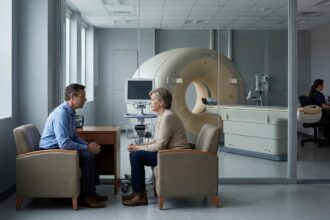

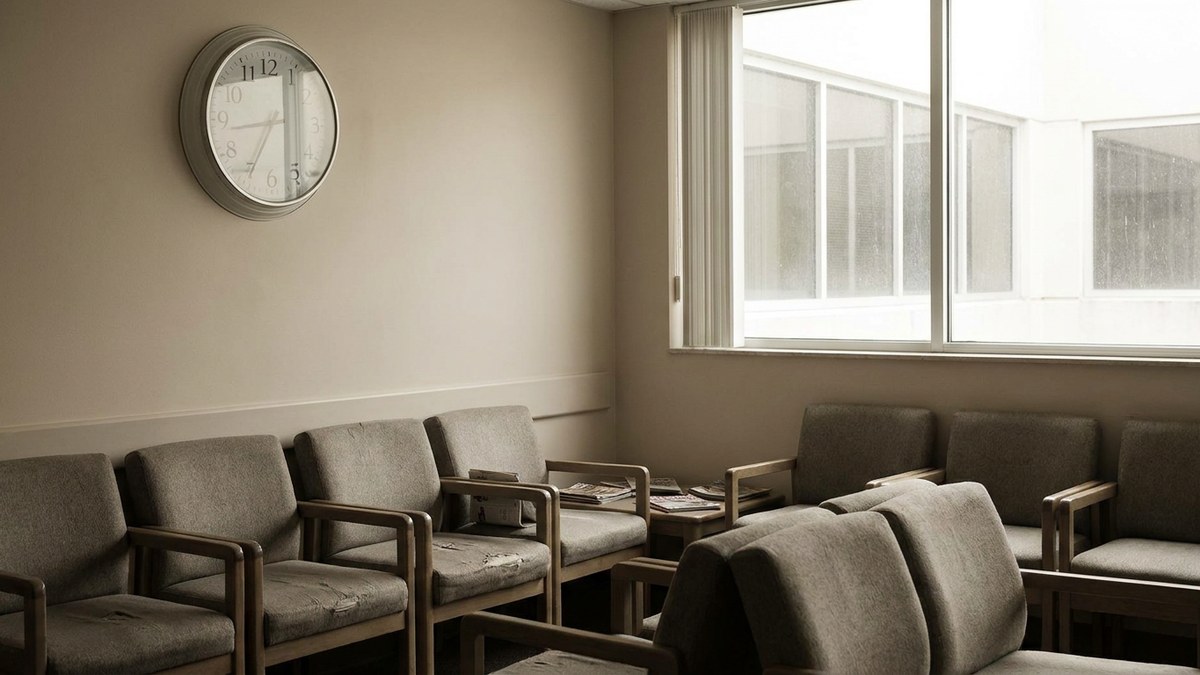
The time that breast cancer consumes does not end in the consulting room or the treatment chair. A nationwide survey of 598 patients in Japan has put numbers to that hidden cost — what the authors call “time toxicity” — and shows that it is spread across waiting, travelling, family caregiving and personal chores that rarely appear in clinical trials.
What was already known
Breast cancer research measures survival, disease control and biological side effects above all. There is a growing consensus that time is also an adverse effect of treatment: hours of waiting, visits that swallow a whole day, days of rest after every cycle. Most of the available data, however, had been collected inside the hospital, with little information about what happens outside it.
What this study adds
The authors designed a nationwide web-based survey of women with breast cancer in Japan. Of 866 respondents, 598 patients were included in the analysis. The questionnaire went beyond health care: it also measured non-care time, the time family members spent providing care, the time spent seeking information after diagnosis, the subjective distress associated with time burden and the activities patients gave up.
Main results
The median waiting time for an outpatient consultation was 60 minutes. Each visit meant a median hospital stay of 240 minutes when it included chemotherapy and 40 minutes for radiotherapy. Overall, 69.1% of participants considered the hospital stay “long” and 67.8% described it as “distressing.” At the peak of treatment-related symptoms they needed a median of 10 days of rest, and every outing added about 15 minutes of appearance-related care. Family members devoted a median of 25.5 hours a month to caring for the patient. Respondents also reported substantial time spent seeking information after diagnosis and forgoing work, travel and exercise.
What it means
The study frames the burden of time as a modifiable dimension of treatment rather than an unavoidable toll. Its findings point to concrete room for improvement — scheduling of appointments, clear information at discharge, support for the family caregiver — and support bringing the time each option demands into treatment planning and shared decision-making. As a self-reported survey, it carries the limitations of that design: the data describe perceived experience and cannot establish causality.
Reading from the breast unit
A breast unit can measure its own “time toxicity” at little cost: how long a patient waits on average for a consultation, how long a treatment session lasts from arrival to departure, or how many hours of the day each visit absorbs. These are quality-of-care and patient-experience indicators that allow different pathways to be compared and organisational changes to be prioritised.
Reference: Suzuki H, Tsukuda M, Ueda N, Yodogawa T, Arata Y, Kaji T, et al. Time toxicity in breast cancer care: a nationwide cross-sectional survey of multidimensional time burden in Japan, Breast Cancer (Tokyo, Japan), 2026. DOI