


A cross-sectional study of 286 young women with breast cancer in China finds care delays in more than one in three and links them to waiting time for the first appointment and health literacy....
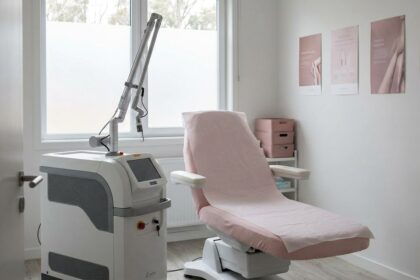
A Spanish trial with a sham control finds no advantage of fractional CO2 laser over the simulated procedure for genitourinary syndrome in survivors taking aromatase inhibitors....
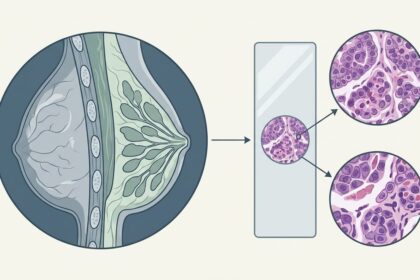
A review examines how early detection has driven a sharp rise in ductal carcinoma in situ diagnoses, and why research now aims to match treatment to the actual risk of progression....

A group of Italian experts reviews where artificial intelligence can help in breast cancer care and warns that without organisational change its benefit falls short....
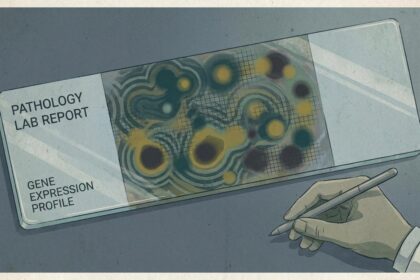
A model combining gene expression from the biopsy with preoperative clinical data improves prediction of sentinel lymph node macro-metastasis in early breast cancer....

An analysis of the EUSOMA database, covering 9,660 patients from 72 European breast units, shows that combining radiotherapy and endocrine therapy after conserving surgery is associated with fewer rec...

A study compares two AI models on mammography cases from Vietnam and Australia. Transfer learning improves detection in both contexts, with differences based on breast density....

Final 15-year results from SOFT and TEXT confirm that escalating endocrine therapy reduces recurrence, but the survival gain is limited to the highest-risk patients....
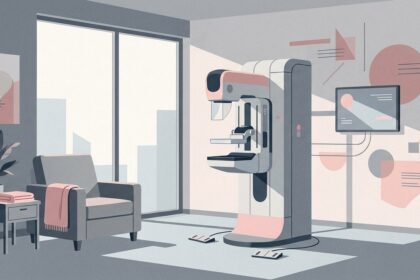
In the TOSYMA trial, with nearly 100,000 randomised women, tomosynthesis plus synthesised mammography was linked to fewer invasive interval cancers at two years, although the primary result did not re...

A Nature Reviews Clinical Oncology review examines how to escalate or de-escalate HER2-directed therapy across the disease continuum and which evidence gaps remain open....

A review takes stock of the evidence for this 21-gene platform, which estimates distant recurrence risk in early hormone-receptor-positive breast cancer and helps guide adjuvant treatment....

An EUSOMA survey across 39 European countries finds basic diagnostics and surgery are nearly universal, while genomics, PARP or CDK4/6 inhibitors and reconstruction fall short of full coverage....